St. George, UT
(435) 216-7929

Jason Harper, PT, DPT, Cert. DN

Manual therapy

Four hands-on techniques, chosen for what your tissue is actually doing, then the exercise that makes the change stick.

Precise pressure, in a specific place, for a reason

Manual therapy covers a range of hands-on techniques for musculoskeletal pain and disability: precise movement and pressure applied to muscle, joint and connective tissue to reduce pain, decrease swelling, improve flexibility and restore function. The techniques are not interchangeable, and picking between them is most of the skill. Fortify's therapists have advanced training across several manual approaches and keep adding to it, which is what lets the assessment decide the technique instead of the other way round.

Manual therapy is the opener, not the whole plan

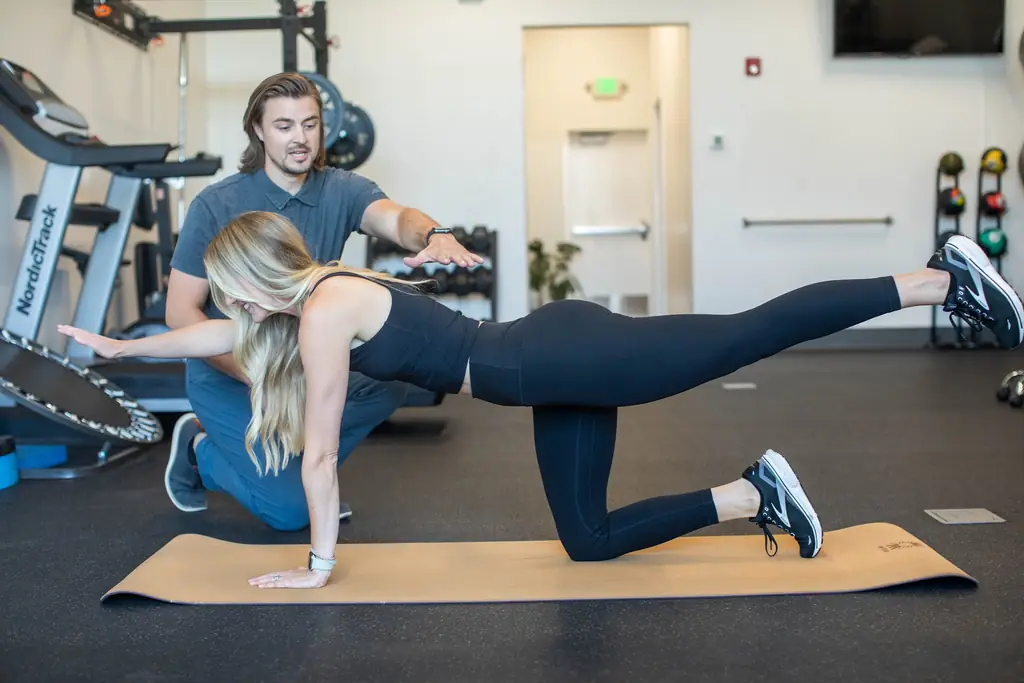
Hands-on work is most effective combined with therapeutic exercise, movement retraining and education. Your therapist builds a plan that usually includes a personalised home exercise programme, correction of the movement pattern that caused the problem, guidance on ergonomics and activity, and self-management strategies for when it flares. The point is to need us less over time.

Manual therapy at 792 S 3000 E, Unit 104, St. George. Call or text (435) 216-7929.

A Fortify therapist coaching a patient through a bird dog exercise on the treatment floor

The four approaches, and what each one is good at

Soft tissue mobilization

Hands-on work into restricted muscle, fascia and connective tissue.

  • Breaks down the scar tissue and adhesions that limit mobility and cause pain
  • Improves circulation, so oxygen and nutrients reach injured tissue faster
  • Releases the chronic tightness that keeps re-creating the movement limit

Cupping therapy

Suction that lifts tissue upward instead of pressing it down.

  • Negative pressure releases fascial restriction and restores tissue glide
  • Stimulates sensory nerves, interrupting pain signals and triggering endorphins
  • Helps clear cellular waste and inflammatory substances out of the area

IASTM and the Graston technique

Instruments that find restriction hands alone would miss.

  • Controlled microtrauma stimulates healing and better tissue alignment
  • The tools sharpen diagnosis as much as they deliver treatment
  • Clearing the restriction changes the movement pattern, not just the symptom

Spinal manipulation

A skilled, quick thrust to a specific segment. Performed by a therapist trained in it.

  • Many patients feel a significant drop in pain immediately after
  • Releases restricted segments and restores range through the spine
  • Produces real neurophysiological change in muscle tone and nervous-system response

What responds to hands-on work

Cupping, spinal manipulation and kinesio taping are all on the treatment list here, and so is dry needling, which is often used in the same visit.

  • Back and neck pain
  • Headaches
  • Joint restrictions and arthritis
  • Muscle strains and sprains
  • Post-surgical stiffness
  • Sports injuries
  • Work-related injuries
  • Chronic pain conditions
  • Postural dysfunctions
  • Nerve compression syndromes

The four questions we get asked

Some techniques are uncomfortable for a moment, particularly over a tender area. Your therapist works within your comfort level and would rather you speak up than hold still through it. Communication during the session is part of the treatment, not an interruption of it.

Many people feel an immediate improvement in pain and mobility. Lasting change usually takes a series of treatments combined with real participation in the home exercise programme, because the hands-on work opens the door and the exercise is what walks through it.

Manual therapy prepares your body for more effective exercise by reducing pain and improving mobility first. That is why it is used alongside movement retraining and education here rather than sold as a standalone service.

It depends on the condition and on what you are trying to get back to. Your therapist builds a plan at the assessment and adjusts it as you progress, rather than committing you to a fixed block up front.