Jason Harper, PT, DPT, Cert. DN
Dry needling in St. George
A certified therapist, a thin filament needle, and the trigger point that has been driving your pain the whole time.
What a needle does that a thumb cannot
Dry needling uses thin, solid filament needles to reach myofascial trigger points directly. The technique is grounded in Western neuromuscular science: the needle goes into the taut band of muscle that is referring pain and restricting movement, and the muscle responds by letting go. That is a different mechanism from acupuncture, which shares the needle and very little else. At Fortify it is performed by a therapist with certification specifically in dry needling, as one part of a plan rather than as a standalone treatment.
What the session is actually like
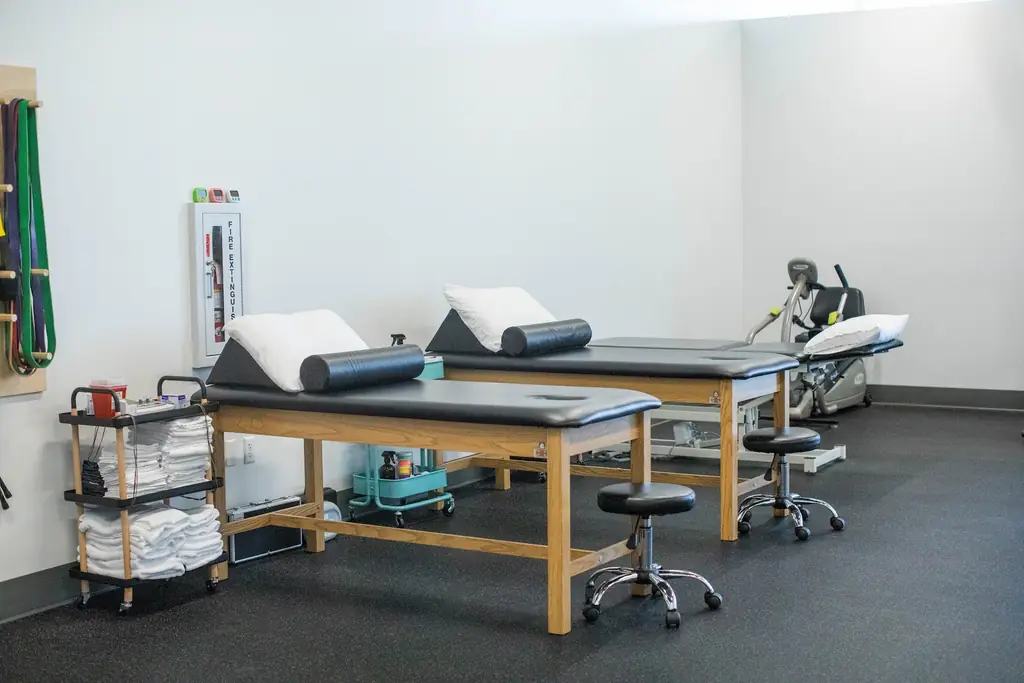
Thirty to sixty minutes on a treatment table. Your therapist palpates for the trigger points first, because finding the right one matters more than the needle itself, then inserts fine sterile needles. You may feel a pinch going in, a deep ache once it is there, and sometimes a twitch in the muscle. The twitch is a good sign. Afterward, expect twenty four to forty eight hours of soreness in the area, close to what a hard workout leaves behind.
Dry needling at 792 S 3000 E, Unit 104, St. George. Call or text (435) 216-7929.
Six things it is for
Immediate pain relief
Most people feel a change in the room, before they get off the table.
Improved range of motion
The joint moves further once the trigger point stops guarding it.
Enhanced recovery time
Used alongside your programme rather than instead of it.
Decreased muscle tension
Releases the chronic tightness that keeps pulling you back.
Reduced inflammation
Part of why the ache settles over the following days.
Improved blood flow
More circulation into tissue that has been quietly starved of it.
What we treat with it
If yours is not on this list, call and ask. Dry needling is rarely the whole plan anyway, and the assessment comes first either way.
- Neck and back pain
- Shoulder impingement
- Tennis elbow and golfer's elbow
- Hip and knee pain
- Headaches and migraines
- Plantar fasciitis
- Sciatica
- Fibromyalgia
- Post-surgical pain
- Sports injuries
- Repetitive strain injuries